
Complete Guide to Endpoint Security

Author: James Smith;
Source: williamalmonte.net
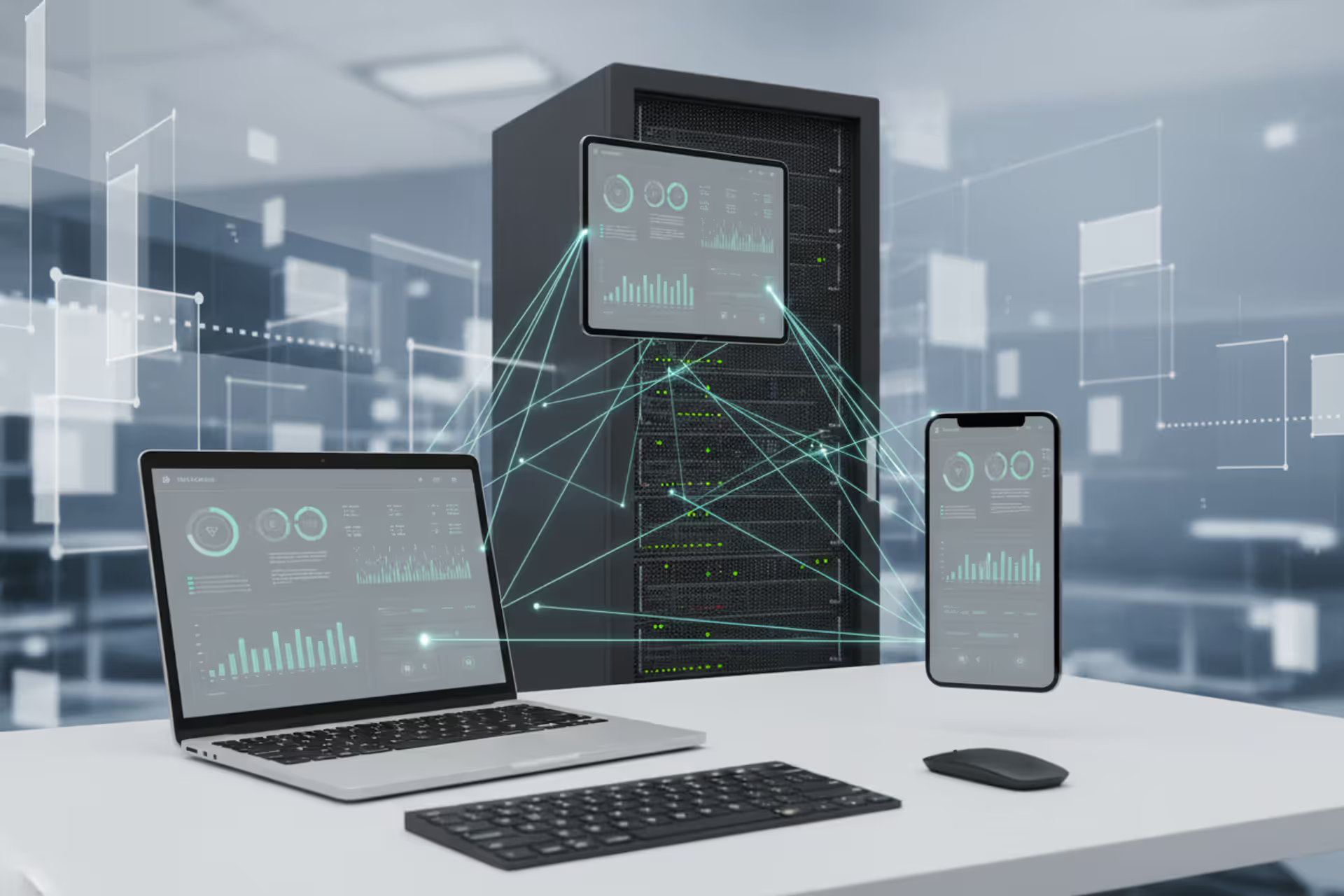
Welcome to the Endpoint Security Knowledge Hub, a place where IT professionals, security teams, and organizations can explore the principles of protecting devices, networks, and digital environments. Endpoint security plays a critical role in modern cybersecurity, helping organizations secure endpoints such as computers, servers, mobile devices, and other connected systems.
This website focuses on explaining endpoint security in a clear and practical way. Many people encounter unfamiliar concepts when learning about endpoint protection, EDR, XDR, threat detection, and security architecture. The goal of this resource is to make these topics easier to understand by providing straightforward explanations of how endpoint security works and how different technologies are commonly used.
Read more

Top Stories

Read more

Read more

Read more
Read more
Trending

Read more

Read more



Latest articles










Most read

Read more
Read more


In depth
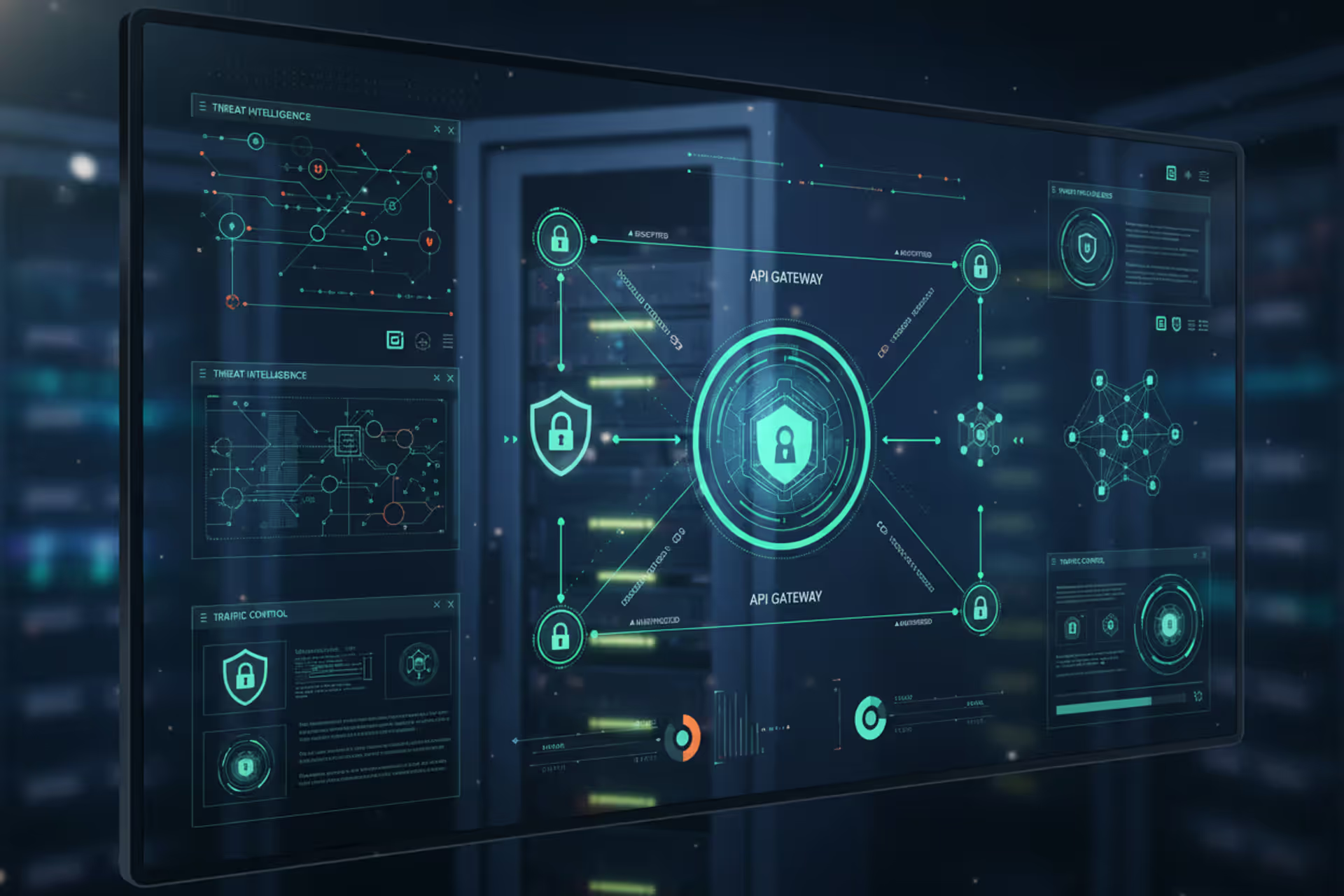
Every API endpoint you expose is a potential doorway into your system. Whether you're running a SaaS platform, a mobile app backend, or an internal microservices architecture, securing those endpoints determines whether you're building a fortress or leaving the gates wide open.
API endpoint security isn't just another checkbox on a compliance form. It's the difference between controlled access and data breaches that make headlines. This guide breaks down what you need to know, from basic concepts to real-world implementation strategies.
What Is API Endpoint Security
An API endpoint is a specific URL where your application programming interface can access the resources it needs. Think of it as a digital address—like or . Each endpoint represents a function: retrieving data, creating records, updating information, or deleting resources.
API endpoint security explained simply means protecting these digital addresses from unauthorized access, malicious attacks, and data theft. The challenge? Endpoints must be accessible enough for legitimate users while blocking everyone else. Unlike a traditional web application where a human logs in through a browser, APIs handle machine-to-machine communication. There's no CAPTCHA, no "Forgot Password?" link—just raw requests and responses.
Endpoints become vulnerable for several reasons. They're often documented publicly (or semi-publicly), making them easy to discove...
Read more

The content on this website is provided for general informational and educational purposes only. It is intended to explain concepts related to endpoint security, cybersecurity practices, threat prevention, and security technologies.
All information on this website, including articles, guides, and examples, is presented for general educational purposes. Cybersecurity requirements and implementations may vary depending on organizational needs, infrastructure, regulatory requirements, and threat environments.
This website does not provide professional cybersecurity, legal, or compliance advice, and the information presented should not be used as a substitute for consultation with qualified cybersecurity professionals.
The website and its authors are not responsible for any errors or omissions, or for any outcomes resulting from decisions made based on the information provided on this website.